The Global MBTI Craze: Why the World Can’t Get Enough of Personality Types
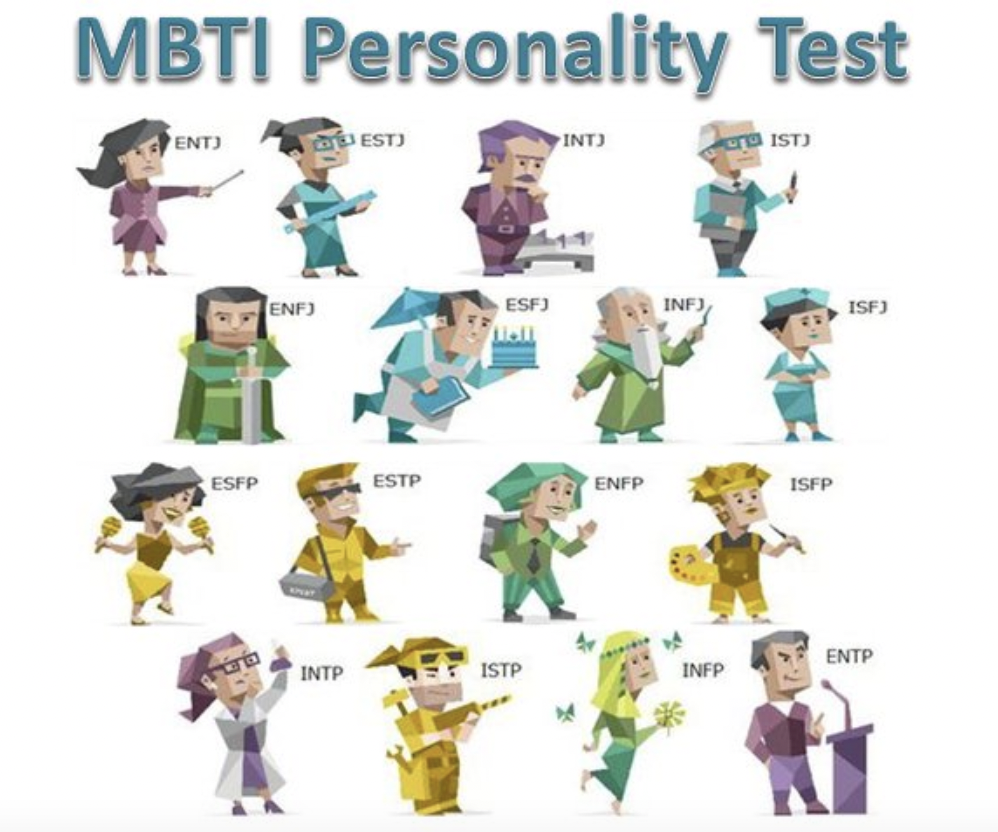
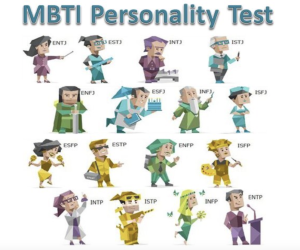
In recent years, the Myers-Briggs Type Indicator (MBTI) has become a global fascination, influencing conversations in classrooms, workplaces, and social media alike. But what exactly is MBTI, and why has it captured the world’s attention? Developed by Katharine Cook Briggs and Isabel Briggs Myers, the MBTI is a personality framework that categorises individuals into 16 distinct personality types based on four key preferences: Extraversion (E) vs. Introversion (I), Sensing (S) vs. Intuition (N), Thinking (T) vs. Feeling (F), and Judging (J) vs. Perceiving (P). These combinations create well-known types like INFJ, ENFP, ISTJ, and ESTP, each offering insights into how people think, communicate, and make decisions.
The global craze around MBTI stems from its surprising blend of simplicity and personal depth. In a world where people constantly seek to understand themselves and others better, MBTI offers a structured yet relatable way to do just that. It has become especially popular among teenagers and young adults, who use MBTI memes, videos, and communities to bond over shared traits and quirks. Platforms like TikTok and Reddit are filled with content explaining the strengths, weaknesses, and everyday behaviours of each type—making personality exploration both fun and accessible.
But beyond the hype, the MBTI can be genuinely useful. In the workplace, many companies use it to improve teamwork, communication, and leadership development. Understanding personality differences helps teams collaborate more effectively and reduces misunderstandings. In education, teachers use MBTI insights to better support students’ learning styles. Even in personal relationships, knowing someone’s type can foster empathy, helping friends, partners, and families appreciate each other’s perspectives.
While MBTI isn’t a perfect science, its global popularity reflects a deep human desire for self-discovery. And whether taken seriously or enjoyed casually, it continues to shape how millions around the world understand themselves—and connect with one another.
The Global MBTI Craze: Why the World Can’t Get Enough of Personality Types
In recent years, the Myers-Briggs Type Indicator (MBTI) has become a global fascination, influencing conversations in classrooms, workplaces, and social media alike. But what exactly is MBTI, and why has it captured the world’s attention? Developed by Katharine Cook Briggs and Isabel Briggs Myers, the MBTI is a personality framework that categorises individuals into 16 distinct personality types based on four key preferences: Extraversion (E) vs. Introversion (I), Sensing (S) vs. Intuition (N), Thinking (T) vs. Feeling (F), and Judging (J) vs. Perceiving (P). These combinations create well-known types like INFJ, ENFP, ISTJ, and ESTP, each offering insights into how people think, communicate, and make decisions.
The global craze around MBTI stems from its surprising blend of simplicity and personal depth. In a world where people constantly seek to understand themselves and others better, MBTI offers a structured yet relatable way to do just that. It has become especially popular among teenagers and young adults, who use MBTI memes, videos, and communities to bond over shared traits and quirks. Platforms like TikTok and Reddit are filled with content explaining the strengths, weaknesses, and everyday behaviours of each type—making personality exploration both fun and accessible.
But beyond the hype, the MBTI can be genuinely useful. In the workplace, many companies use it to improve teamwork, communication, and leadership development. Understanding personality differences helps teams collaborate more effectively and reduces misunderstandings. In education, teachers use MBTI insights to better support students’ learning styles. Even in personal relationships, knowing someone’s type can foster empathy, helping friends, partners, and families appreciate each other’s perspectives.
While MBTI isn’t a perfect science, its global popularity reflects a deep human desire for self-discovery. And whether taken seriously or enjoyed casually, it continues to shape how millions around the world understand themselves—and connect with one another.
Education is the passport to the future, for tomorrow belongs to those who prepare for it today.